
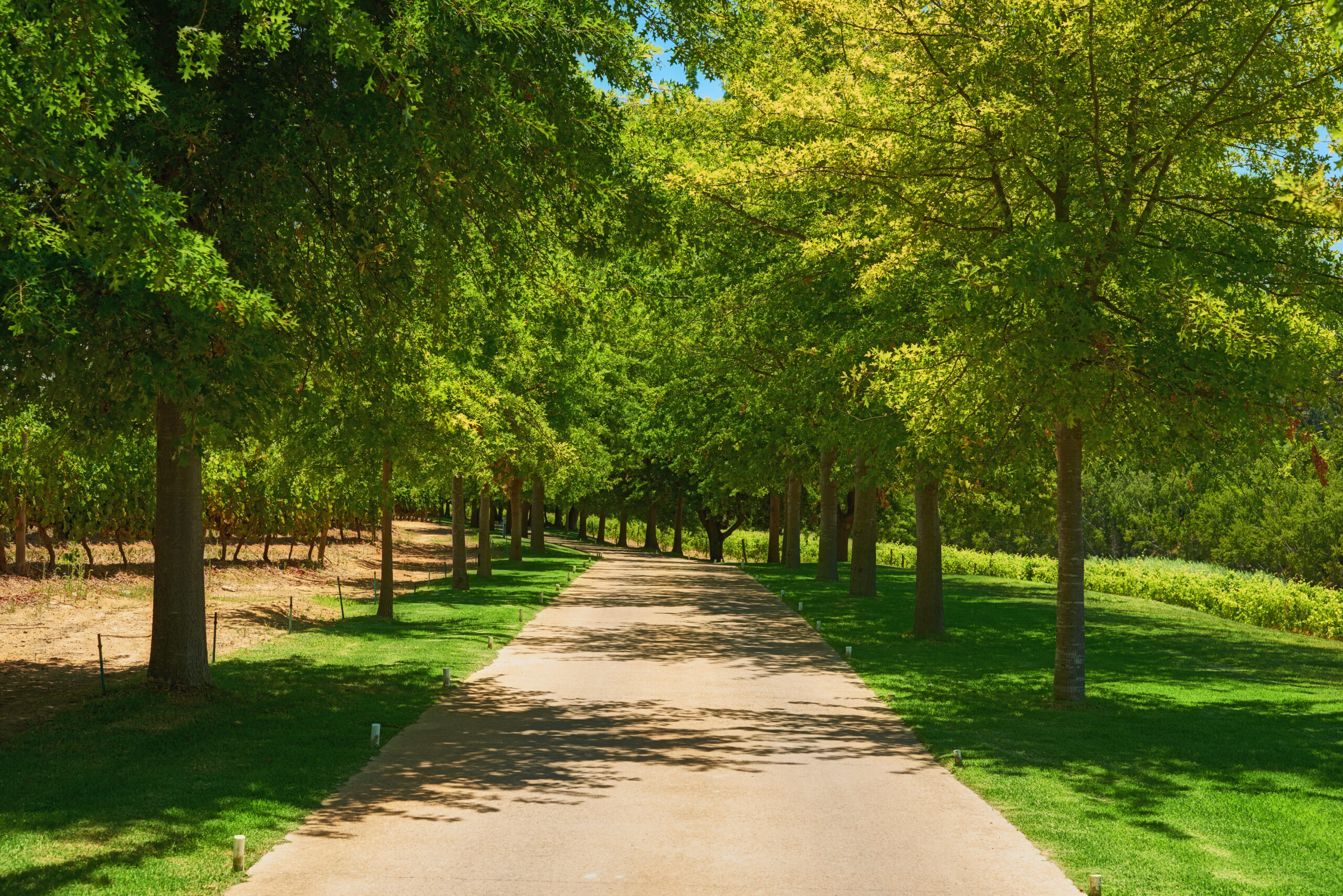
You have the master plan. The landscape architect has specified forty matching shade trees along the main boulevard, all the same species, all the same size, all with the same upright form. Construction starts in two years, and the grand opening date is already circled on the calendar.
Now try to find those forty trees.
For large projects, this is where landscape plans quietly start to unravel. The right trees, in the right quantity, at the right size, are often simply not available when they are needed. Designers are forced to accept substitutions. Boulevards end up with mismatched trees. The landscape that was supposed to define the project ends up being a compromise.
A custom grow program solves that problem before it starts.
What Is a Custom Grow Program?
A custom grow program is an agreement to grow trees specifically for your project. Instead of hoping the right trees will be available when your site is ready, you reserve them in advance, and they are grown and maintained to your specifications over time.
Think of it as planning your landscape the same way you plan everything else on a major project: on purpose, on schedule, and with fewer surprises. The trees are not an afterthought sourced in the final months of construction. They are a planned, managed part of the project from the beginning.
Why the Open Market Often Falls Short
Limited Availability of Large Trees
Large trees take years to produce. When demand rises, inventory in the sizes and species designers want can disappear quickly. A project that waits until the last minute may find that the trees it needs simply do not exist in sufficient numbers.
Inconsistency Across Sources
Pulling trees from multiple suppliers to fill a large order often means mismatched sizes, shapes, and quality. For formal plantings such as allées, boulevards, and courtyards, that inconsistency is immediately visible and difficult to correct.
Last-Minute Substitutions
When specified trees cannot be found, projects end up substituting different species, smaller sizes, or lower-quality stock. The design suffers, and so does the original vision that helped sell the project in the first place.
Uncertain Health and Root Structure
Trees sourced on short notice may come with unknown growing histories. Without root management and careful cultivation, transplant success becomes less predictable.
The Benefits of a Custom Grow Program
Exact Specifications
Species, size, height, canopy form, and quantity can be planned to match your design. You are not adapting the plan to whatever the market has available. The trees are grown to fit the plan.
Uniformity
Trees grown together, under the same conditions and the same care, develop consistently. That makes a dramatic difference in repeated plantings where every tree is visible side by side.
Reserved Supply
Your trees are set aside for your project. When the site is ready, the trees are ready, and you are not competing with other buyers at the last minute.
Healthier, Transplant-Ready Stock
Trees in a custom grow program can be managed from the start with relocation in mind. Root pruning, structural pruning, irrigation, and health monitoring all support better establishment after installation.
Better Planning and Coordination
Knowing exactly which trees will be delivered, and when, makes it easier to coordinate grading, irrigation, hardscape, and installation logistics with the rest of the construction schedule.
Confidence for Stakeholders
Owners, investors, and buyers can see that the landscape promised in renderings is actually being grown. That confidence can be a meaningful advantage for projects that depend on first impressions.
Understanding Size in a Custom Grow Program
Clear communication about size is essential when planning a growth program. Nursery trees are typically measured by caliper. At Environmental Design, specimen trees start at 4 inches in caliper, and large specimens are 10 inches and up. Once trees mature in the field, they are generally measured by trunk diameter. Setting target sizes using the right terminology ensures everyone involved shares the same expectations.
Projects That Benefit Most
Master-planned communities. Phased development with repeated street tree plantings and signature entry features.
Corporate and university campuses. Organizations that want a cohesive, recognizable landscape across buildings and open spaces.
Resorts and mixed-use developments. Projects with long timelines and high design standards.
Golf courses. Courses planning renovations, long-term canopy restoration, or tree replacement programs.
Municipal and public projects. Parks, streetscapes, and civic spaces with defined specifications and multi-year schedules.
How a Custom Grow Program Works
1. Define the Need
The process begins with your plans and specifications: species, target sizes, quantities, and installation dates. The earlier this conversation happens, the more options are available.
2. Build the Growing Plan
Based on your timeline and goals, a plan is developed to select, grow, and maintain trees until they meet your specifications.
3. Grow and Monitor
Trees are cared for throughout the growing period, with attention to health, structure, irrigation, and root development.
4. Review Progress
You can stay informed as your trees develop, with opportunities to review progress so there are no surprises as installation approaches.
5. Prepare, Deliver, and Install
When your site is ready, the trees are prepared for relocation, transported, and installed, ideally by the same team that grew them. That continuity protects the investment from the field to the final planting.
When to Start a Custom Grow Conversation
The short answer is earlier than you think. Large trees take time, and the longer the lead time, the more flexibility you have for species, size, and quantity. If your project is in the planning, entitlement, or early design phase, that is the ideal moment to secure your trees. Waiting until construction is underway often means accepting whatever is available.
Stop Hoping the Right Trees Will Be Available
Your landscape is one of the first things people notice about a property and one of the last things they forget. It deserves the same level of planning and intention as the buildings that surround it.
Environmental Design, Inc. offers custom grow programs that give your project the exact trees it needs, when it needs them, backed by decades of experience in large tree growing, relocation, and installation.
Contact us today to start planning your custom grow program.


Recent Comments